Asphalt Contractor in College Station
Asphalt Contractor in College Station, TX
We provide asphalt paving, asphalt repair, and pavement maintenance services throughout College Station, TX and the surrounding Brazos Valley area. Whether you are in Castlegate, Pebble Creek, Edelweiss Estates, or closer to the University Drive Corridor, we can get to your property without delay. We work on residential driveways, commercial parking lots, and everything in between. If you are just outside College Station in Bryan or nearby communities, we cover those areas as well.
Our service area and availability in College Station and surrounding communities
We are based here locally and have been working in College Station for over 10 years. Our combined experience in asphalt paving and concrete work spans more than 20 years, so we are not a company that just showed up. We know the roads, we know the neighborhoods, and we know the contractors and suppliers in this area. When you contact us for a quote, we typically respond quickly and can usually schedule an on-site visit within a short time frame. Our team works with both homeowners and commercial property managers, so no matter the size of your project, we can take a look and give you a straight answer on what the work involves.
Common asphalt problems we hear about from local property owners
The most common things we hear from property owners in College Station involve cracked driveways, potholes forming in parking lots, and surfaces that have started to break apart after a few seasons of heavy rain and summer heat. Sealcoating that was skipped or done poorly tends to speed that process up. Some people have drainage issues where water pools near the edge of their driveway or runs toward their foundation instead of away from it. Others have older blacktop installation that was never built on a solid base, and now it shows. If any of this sounds familiar, you are not alone. These are problems we see regularly, and most of them can be addressed with the right repair or resurfacing approach before they get worse.
What we know about paving in College Station, from the soil to the streets
College Station sits on what is known as the Blackland Prairie, which is made up largely of expansive clay soils, including Houston Black Clay and Vertisol. These soils shrink during dry spells and swell when it rains, which puts stress on anything built on top of them, including asphalt. This is not something a contractor from outside the area always thinks about, but it matters a great deal here. We account for soil conditions when we evaluate your base, and in many cases we recommend a flexible base using crushed limestone or caliche before any surface course goes down. The heat here also pushes us toward binder grades like PG 70-22 or PG 76-22, which hold up better under the kind of summers College Station gets. Roads like Harvey Mitchell Parkway and Rock Prairie Road carry heavy traffic loads day in and day out, and local parking lots near Texas A&M University and Century Square see the same kind of wear. We have seen what that does to pavement that was not built properly from the start.
Frequently asked questions from College Station property owners
One of the most common questions we get is what to expect from an asphalt contractor before and during a project. Honestly, the answer starts before any equipment arrives. A good contractor will walk your property, check the existing base, look at how water drains, and give you a clear explanation of what work is actually needed. You should get a written estimate that breaks down materials and labor, and you should know whether your project requires any permits through the City of College Station Development Services Permit Center. We handle that process as part of our work so you do not have to figure it out on your own. Other questions we hear often include how long a driveway or parking lot will last, whether resurfacing makes more sense than full replacement, and how sealcoating fits into a long-term maintenance plan. We are happy to walk through any of those with you in plain terms.
If you are ready to move forward or just want to understand your options better, the next step is learning about the specific services we offer. From pothole repair and striping to full parking lot paving and road construction, we cover a wide range of work for both residential and commercial properties in College Station.
Asphalt Services We Offer in College Station
Whether you need a new driveway at a home in Castlegate, a parking lot near the University Drive Corridor, or repairs along a commercial property on Texas Avenue, we cover a wide range of asphalt work in College Station and the surrounding Brazos Valley area. Here is a closer look at what we do.
New Asphalt Installation for Driveways, Parking Lots, and Roads
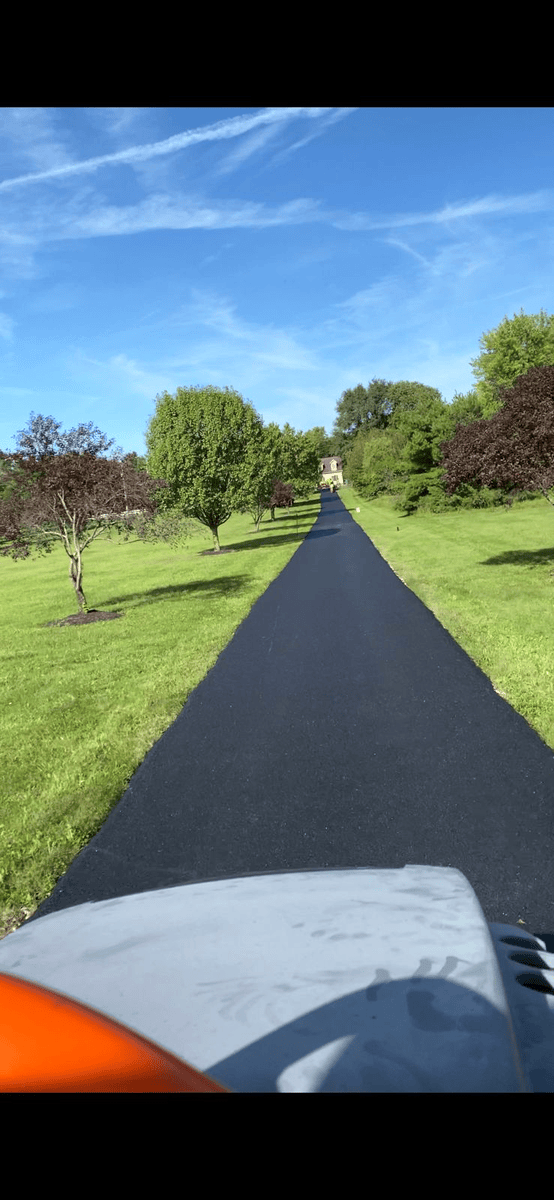
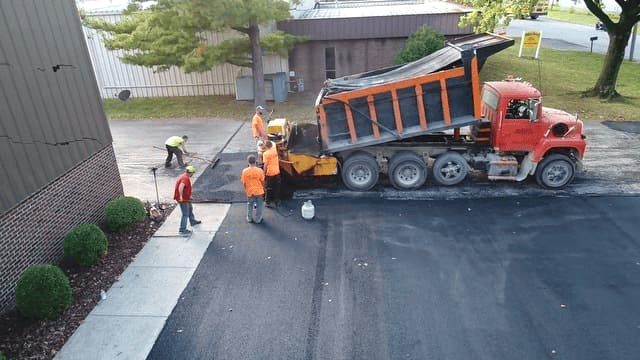
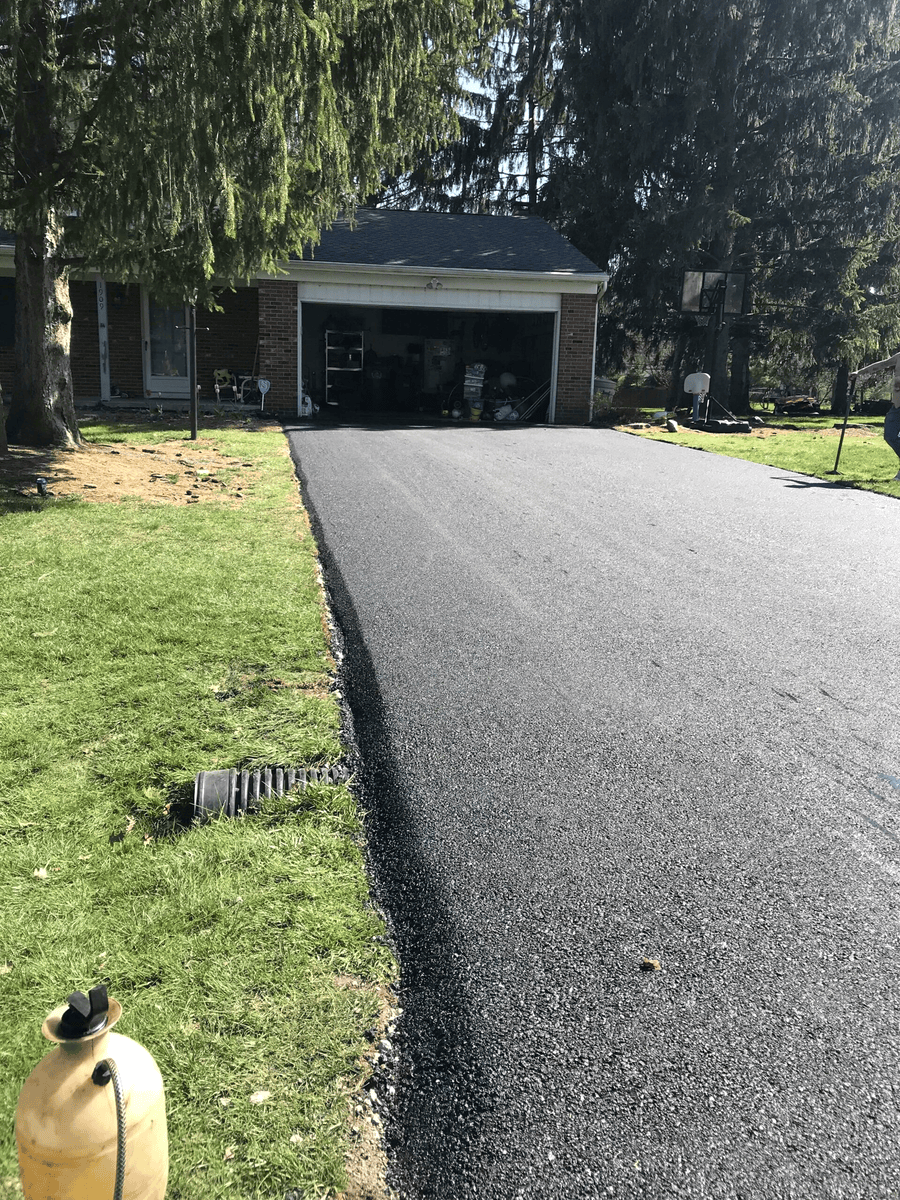
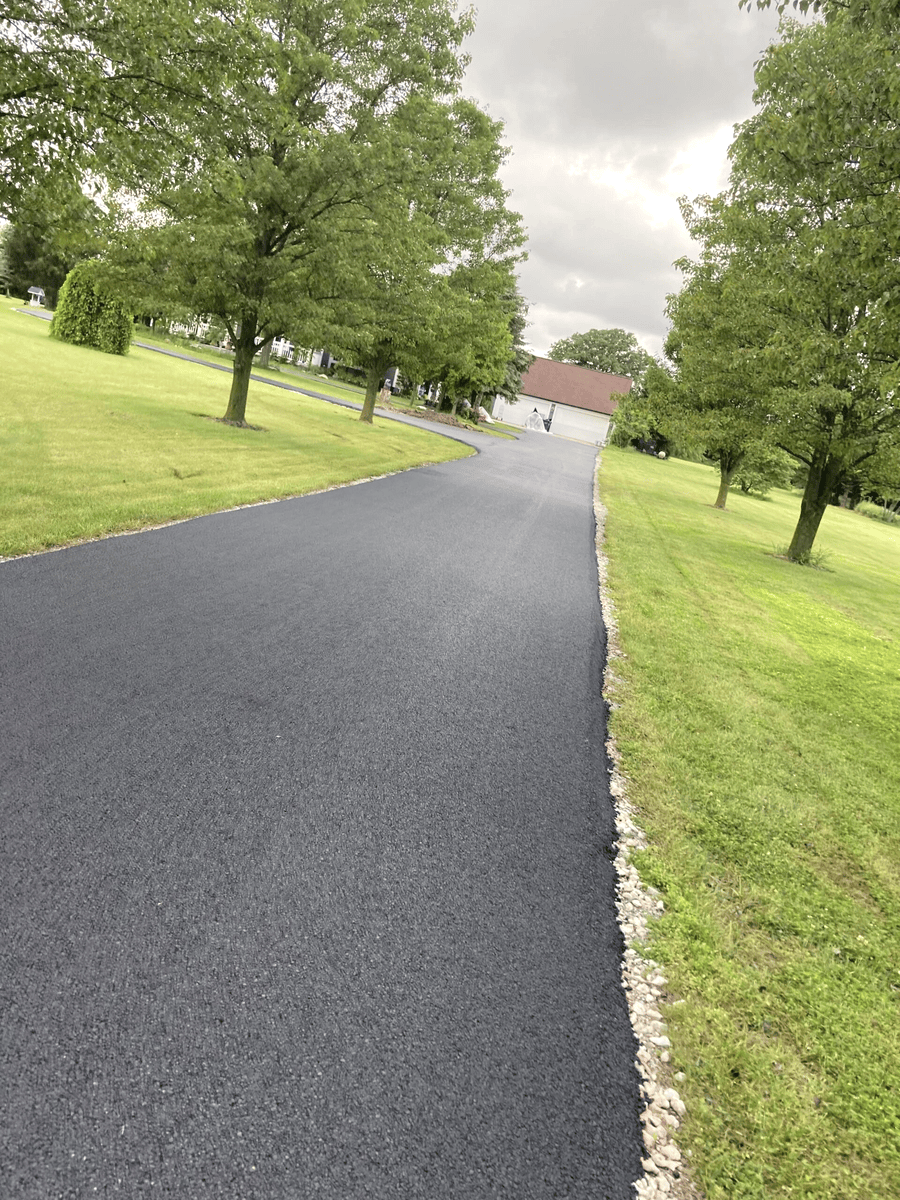
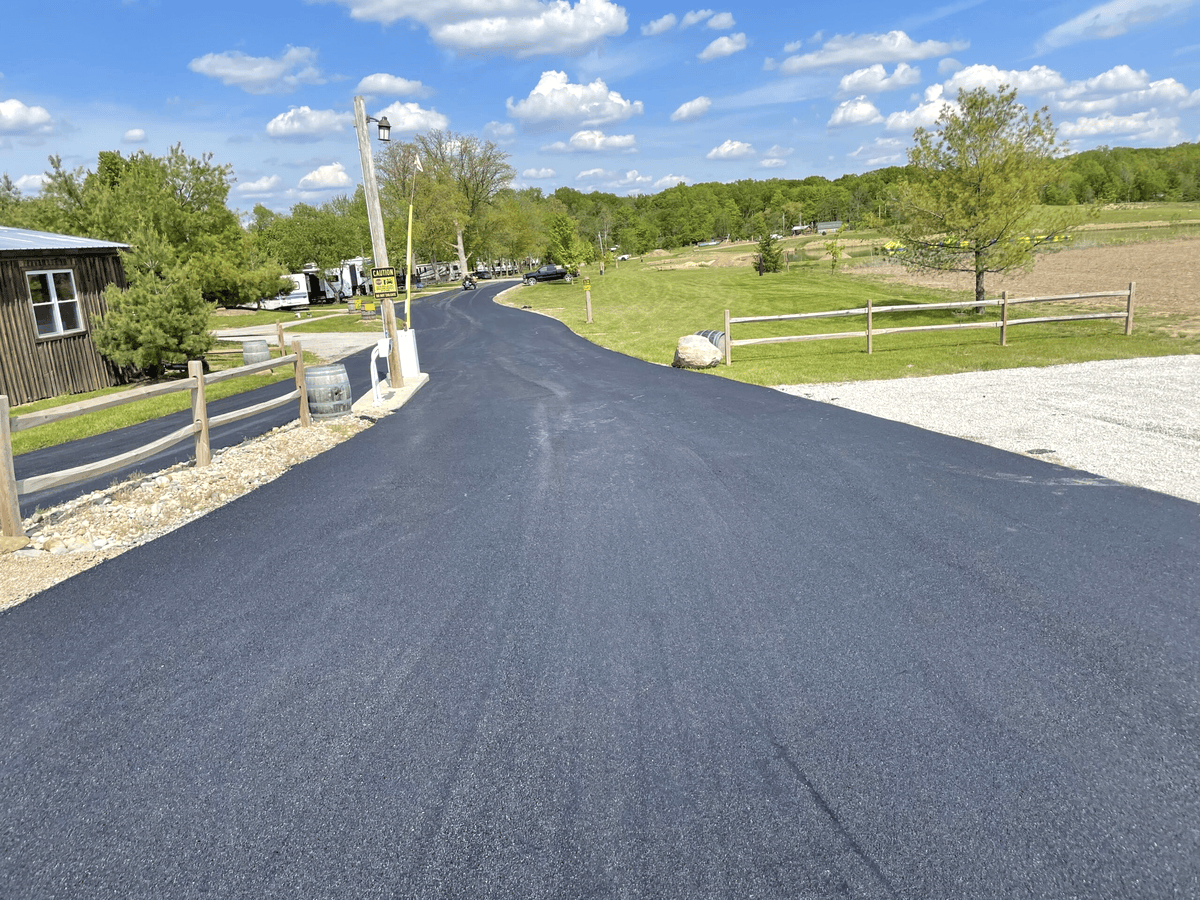
We handle asphalt paving for residential driveways, commercial parking lots, and private roads across College Station. New installation starts well before the first load of mix arrives. We evaluate the soil conditions, which in this area often means dealing with expansive Blackland Prairie clay or Vertisol soils that shift with moisture changes. Proper grading and base preparation, typically using crushed limestone or caliche flexible base, are key to keeping your surface stable over time. We use materials like Type D Hot Mix Asphalt and PG 70-22 binder grade, which hold up well under the heat and humidity College Station sees through most of the year.
Asphalt Resurfacing and Overlay for Worn or Aging Pavement
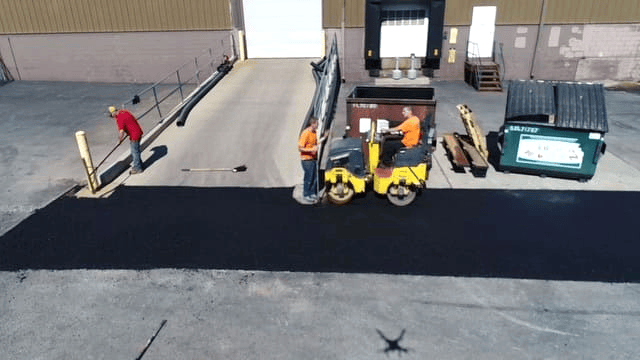
If your pavement is showing its age but the base is still sound, resurfacing is often a practical option. We mill down the existing surface, apply a tack coat to help the new layer bond, and place a fresh course of asphalt on top. This approach costs less than a full replacement and can add years of useful life to driveways and parking lots that see regular traffic. It is a common service we provide for commercial properties along Harvey Mitchell Parkway and Rock Prairie Road.
Pothole Patching and Crack Repair
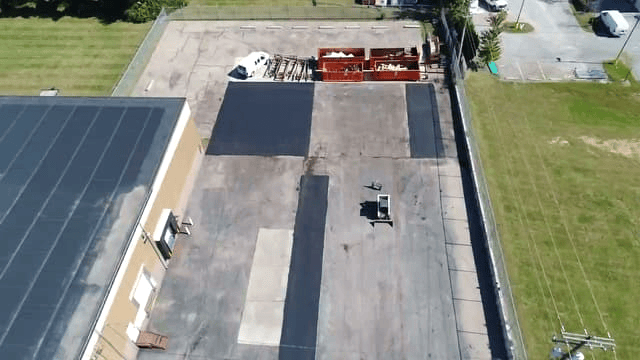
Asphalt repair done early saves you money later. Potholes and cracks tend to grow quickly when water gets underneath the surface, especially during the heavy rains College Station gets in spring and fall. We clean out the damaged area, prepare the edges, and fill with the right mix to match the surrounding pavement. Leaving small damage alone usually means larger repairs or full replacement down the road.
Sealcoating to Protect and Extend Pavement Life
Sealcoating puts a protective layer over your asphalt that slows oxidation, repels water, and reduces surface wear from vehicle traffic and UV exposure. We apply it to driveways and parking lots on a regular maintenance schedule as part of long-term pavement maintenance. It is one of the more cost-effective steps you can take to stretch the life of an otherwise healthy surface.
Parking Lot Striping and Line Marking
Clear striping and line marking keep your parking lot organized, safe, and up to code. We lay out parking stalls, fire lanes, handicap spaces, directional arrows, and other markings for commercial properties across College Station, including sites near Texas A&M University and Century Square. Faded or missing lines are more than an appearance issue — they affect traffic flow and can create liability concerns for property owners.
Each of these services connects to a process we follow from the first site visit through the finished job, and that process makes a real difference in how your pavement performs over time.
How We Approach Each Asphalt Project
Site Evaluation and Planning Before Work Begins
Before any asphalt paving work starts, we take time to look closely at your site. College Station sits on Blackland Prairie soil, which includes expansive clay that shifts with moisture changes throughout the year. If we skip this step, that soil movement can cause cracking and settling down the road. We check the existing surface, the soil conditions underneath, and how water drains across your property. For driveways in areas like Castlegate or Pebble Creek, that might mean something different than a commercial paving project near the University Drive Corridor or Harvey Mitchell Parkway. Each site tells us something specific, and we use that information to put together a plan that fits the actual conditions rather than a one-size-fits-all approach. We also look at permit requirements through the City of College Station Development Services Permit Center when the project calls for it.
Proper Base Preparation and Grading for Long-Term Durability
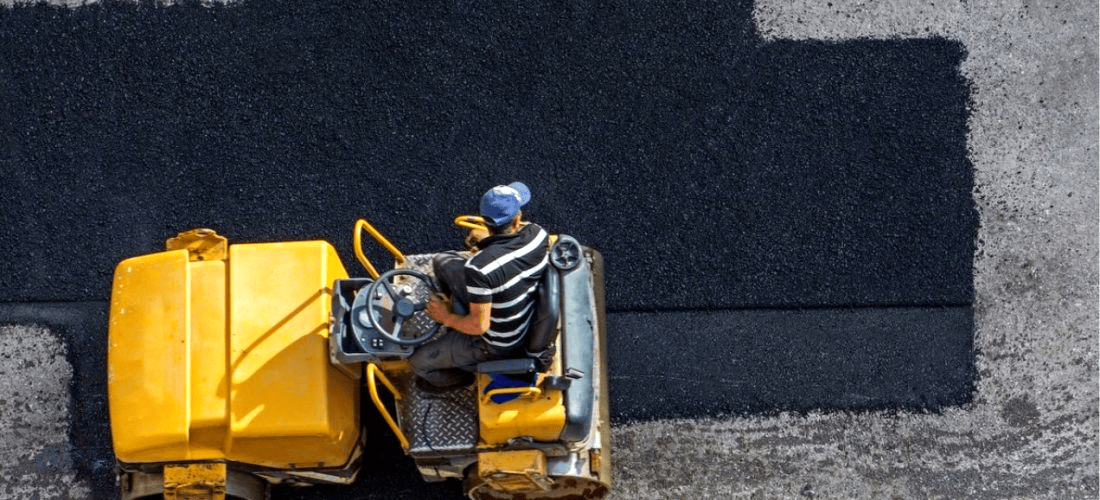
Good pavement starts with what is underneath it. We handle grading and excavation carefully so the base is solid and level before any asphalt goes down. In this area, we often use a flexible base layer, typically crushed limestone or caliche, compacted to meet the load demands of your project. For most driveways and parking lot paving work, we aim for a 4-inch base course with 95% density compaction before placing the surface layer. We use a PG 70-22 binder grade, which holds up well in the heat and humidity that College Station sees through the summer months. Proper compaction with a double drum vibratory roller helps us reach the mix density needed to avoid soft spots and early surface failure. Cutting corners at this stage is one of the most common reasons pavement breaks down before it should. Taking the time to do the base right is what separates a surface that lasts from one that needs constant attention. That foundation also plays a big role in whether your pavement eventually needs only minor asphalt repair or something more involved.
A few years back, we took on a paving job for a commercial property near Texas A&M University that turned into one of our most memorable projects. The client needed a large parking lot resurfaced before the start of the fall semester, which meant we were working against a tight deadline with thousands of students about to return to campus.
We got started on schedule, but about halfway through the job, we ran into a problem underneath the old asphalt. The base layer was far more damaged than anyone expected. There were soft spots and areas where the ground had shifted over time, likely from years of heavy traffic and the kind of clay-heavy soil we commonly deal with here in the Brazos Valley. If we had just paved over it, the new surface would have started cracking and sinking within a matter of months.
We had to stop, regroup, and have an honest conversation with the client. We explained that skipping the base repair would only cost them more money down the road. They trusted our judgment, and we got to work fixing the subbase properly before laying any new asphalt. It added a few extra days to the project, but we finished before the students arrived.
That job taught us something we carry into every project we take on in College Station. What you see on the surface does not always tell the whole story. With over 20 years of combined experience in asphalt work and more than 10 years serving this community, we know how to look deeper and do the job right the first time.
Asphalt Repair vs. Replacement: Helping You Decide
One of the most common questions we hear from property owners in College Station is whether their pavement needs a repair or a full replacement. The honest answer depends on the condition of the existing surface, the age of the pavement, and what's happening underneath it. We take a close look at both before recommending anything.
Signs Your Asphalt Needs Repair Rather Than Full Replacement
If your pavement is less than 15 years old and the damage is limited to the surface layer, asphalt repair is usually the right move. Common signs that repair is enough include isolated cracking, small potholes, minor surface raveling, or areas where water is pooling but the base is still solid. Sealcoating can also extend the life of pavement that is structurally sound but starting to show wear from College Station's heat and occasional heavy rain. If the base layer is intact and compaction is holding, patching and resurfacing can add years of useful life without the cost of starting over.
The underlying soil matters here too. Much of College Station sits on Blackland Prairie with expansive clay and Vertisol soils that shift with moisture changes. If the movement is minor and the base is still performing well, targeted repairs can hold up reliably when done correctly.
When a Full Replacement Makes More Sense for Your Property
There are situations where repeated patching stops being cost-effective. If more than a third of the surface shows alligator cracking, the pavement has failed structurally, or water has worked its way into the flexible base, repairs will only delay the inevitable. We also recommend full replacement when the existing asphalt is significantly aged, when grading and drainage problems require us to reestablish the subgrade, or when a commercial property has reached the end of its service life under heavy traffic loads.
For parking lots near high-traffic areas like University Drive or along Harvey Mitchell Parkway, pavement that has deteriorated past a certain point can create liability concerns and ongoing maintenance costs that exceed what a full asphalt paving project would cost over time. Full replacement also gives us the opportunity to correct base thickness, improve drainage slope, and use materials like Type D Hot Mix Asphalt suited for the local conditions.
Understanding whether you need repair or replacement is only part of the picture. The other part is knowing what factors will shape the overall cost of the work, which we will walk through next.
What Affects the Cost of Asphalt Work in College Station
When you reach out to us for a quote, one of the first things we do is look at the full picture of your project. Several factors shape what asphalt work costs in College Station, and understanding them helps you plan more accurately and avoid surprises.
Size, Thickness, and Scope of the Project
The total square footage of your surface is a major cost driver. A single residential driveway in a neighborhood like Pebble Creek or Castlegate requires far less material and labor than a parking lot paving job near the University Drive Corridor or a commercial site off Harvey Mitchell Parkway. Thickness also plays a big role. A typical driveway may call for a 2-inch surface course over a 4-inch base course, while a high-traffic commercial lot near Easterwood Airport or Texas A&M University may need greater depth to handle heavier loads. The more complex the scope, the more time, equipment, and material we need to do it right.
Condition of the Existing Surface and Base
If your current pavement has significant cracking, potholes, or drainage problems, we need to address those before any new material goes down. College Station sits largely on expansive clay soils common to the Blackland Prairie region. These soils shift with moisture changes, which can compromise a weak base over time. When grading and excavation are needed to correct drainage or rebuild the base entirely, that adds to the overall cost. Skipping this step leads to premature failures, so we always evaluate soil and base conditions before we start.
Type of Service Needed and Materials Used
Asphalt repair and sealcoating cost less than full resurfacing or new blacktop installation. The materials also affect pricing. We work with options like Type D Hot Mix Asphalt, Polymer-Modified Asphalt, and tack coat depending on what your surface needs. A PG 70-22 binder grade is common for standard applications around College Station, while higher-traffic areas may benefit from a PG 76-22 mix. Services like striping or line marking add to the scope but are often needed to meet commercial property standards. All of these variables come together when we put your estimate together.
Why Property Owners in College Station Work With Us
Over 20 Years of Combined Paving Experience
Our crew brings more than 20 years of combined experience in asphalt paving and concrete work. Over that time, we have handled everything from driveway paving for homeowners in Castlegate and Pebble Creek to parking lot paving for commercial properties along University Drive and Harvey Mitchell Parkway. We know what it takes to build a surface that holds up under real use, not just on day one.
Proper paving starts well before any asphalt is laid. We evaluate the base, soil conditions, and drainage before we begin. College Station sits on Blackland Prairie soil, which includes expansive clay that shifts with moisture changes. That kind of ground can cause serious problems if the base is not prepared correctly. We account for that from the start, using materials and compaction standards that give your pavement the best chance of lasting.
More Than 10 Years Serving College Station and the Brazos Valley
We have spent over 10 years working in College Station and the surrounding Brazos Valley area. That means we understand the local climate, including the heat, humidity, and heavy rain that put stress on pavement throughout the year. We have completed asphalt repair, resurfacing, sealcoating, and road construction projects near landmarks like Texas A&M University and throughout neighborhoods from Edelweiss Estates to Indian Lakes.
Working locally also means we are familiar with permit requirements through the City of College Station Development Services Permit Center and the expectations set by the City of College Station Streets Division. We stay current with standards that apply to both residential and commercial paving work, so your project moves forward without unnecessary delays.
Whether you need pothole repair on a private road, line marking for a parking lot, or a full new installation, we bring the same level of care to every job. When you are ready to talk through the details of your project, getting a free estimate is a simple next step.
Local Asphalt Work Done Right in College Station
We are a local asphalt and paving contractor serving College Station, TX and the surrounding Brazos Valley area. Our team has over 20 years of combined experience in asphalt and concrete work, and we have been working right here in College Station for more than 10 years. That means we know the local soil conditions, the Texas heat, the heavy summer rain, and how all of it affects pavement over time.
When asphalt breaks down here, it usually comes down to a few common causes. The intense heat softens and oxidizes the surface. Heavy rain pushes water into small cracks and weakens the base underneath. And regular traffic, whether from cars in a driveway or trucks in a parking lot, adds up fast. We have seen these patterns play out on driveways, parking lots, and commercial properties all across College Station, and we know what it takes to fix them the right way.
Whether you need a new driveway, a repaired parking lot, sealcoating to protect your surface, or crack filling before small problems grow into bigger ones, we handle it all. We work with homeowners, property managers, and business owners, and we treat every job the same way: with honest assessments, proper materials, and work that is built to hold up in this climate.
When you reach out to us, you are not getting a call center or a company from out of town. You are getting a local crew that has spent years working on properties just like yours, right here in College Station.
Get a Free Asphalt Estimate in College Station
If you have been looking for a reliable asphalt contractor in College Station, TX, you are already in the right place. We have walked you through our services, our experience, and why property owners across neighborhoods like Castlegate, Pebble Creek, and the University Drive Corridor trust us with their paving work. Now it comes down to one simple step: getting your free estimate.
How to Request a Quote and What to Expect From the Process
Reaching out to us is straightforward. You can call us directly or fill out the quote form below. Once we hear from you, we will set up a time to look at your property in person. We take the time to assess your existing surface, evaluate the base conditions, and understand what your project actually needs before we give you a number. You will not get a vague ballpark from us. You will get a clear, detailed estimate that reflects the real scope of your work.
Here is a quick look at what working with us means for you:
- Over 20 years of combined experience in asphalt paving and concrete work, with more than 10 years serving College Station
- Proper surface preparation, grading, and base evaluation before any material is laid
- Installations built to hold up against the heat, humidity, and heavy rain that College Station gets year after year
- Services that cover everything from driveway paving and parking lot paving to sealcoating, pothole repair, resurfacing, and striping
- Work that reduces long-term costs by preventing small problems from turning into major failures
- Improved curb appeal, safer surfaces, and better drainage for your property
- Clear communication, honest pricing, and accountability after the job is done
What We Need From You to Give an Accurate Estimate
To give you the most accurate quote possible, it helps to know a few basic things about your project. If you can share the location and size of the area you need paved or repaired, the current condition of the surface, and whether this is a residential or commercial paving project, we can come prepared. You do not need to have all the answers before you contact us. We are happy to figure things out together during our site visit.
Choosing the right contractor now protects your property and your budget down the road. Call us today or complete the quote form below to get started on your free asphalt estimate in College Station.
College Station Paving Pros
1701 Southwest Pky
College Station, TX 77840
Business Hours
| Mon | 8:00 AM – 8:00 PM |
| Tue | 8:00 AM – 8:00 PM |
| Wed | 8:00 AM – 8:00 PM |
| Thu | 8:00 AM – 8:00 PM |
| Fri | 8:00 AM – 8:00 PM |
| Sat | 9:00 AM – 7:00 PM |