Asphalt Cold Patch Repair in College Station
Asphalt Cold Patch Repair in College Station, TX
We serve College Station and nearby areas with fast cold patch repair
We provide cold patch asphalt repair services throughout College Station, TX, including neighborhoods like Pebble Creek, Castlegate, Southside, and areas along Texas Avenue, Rock Prairie Road, and Wellborn Road. We also work in nearby communities throughout Brazos County. Most jobs can be scheduled quickly, and for urgent repairs we do our best to get out to your property without a long wait.
Potholes, cracks, and sunken spots in pavement are more than an eyesore. Left alone, they let water seep into the base layer, which makes the damage spread and gets more expensive to fix over time. Whether you have a damaged driveway in Woodcreek, a deteriorating parking lot near University Drive, or a rough stretch of pavement close to FM 2818, pavement repair done right and done soon is the best way to stop things from getting worse. Cold patch gives you a practical, cost-effective path forward without tearing out the whole surface.
College Station sits on expansive clay soils, including Houston Black clay and Vertisol formations that shrink and swell with moisture changes. That movement puts stress on pavement year after year. Add in the heat, humidity, and heavy traffic near Texas A&M University and Kyle Field, and it becomes clear why surfaces here take a beating faster than in other parts of the state. We have spent over 10 years working on pavement in this area, and we know firsthand how local soil conditions, rainfall patterns, and traffic loads affect how asphalt holds up. That background helps us size up a repair accurately before we ever put a shovel in the ground.
Common reasons pavement breaks down and needs cold patch repair
Pavement does not fail all at once. It usually starts with small cracks that let moisture in, which weakens the base and leads to asphalt pothole repair needs down the road. Here in College Station, a few things make this happen faster than normal. The shrink-swell cycle of subgrade clay causes the ground beneath the pavement to move, which puts pressure on the surface from below. Heavy rainfall near Carter Creek and Bee Creek drainage areas can saturate the soil quickly. Traffic from delivery trucks, service vehicles, and daily commuters on roads like Harvey Road and Earl Rudder Freeway adds up over time. Deferred asphalt maintenance is usually the biggest factor. Small problems that could have been handled with a simple driveway patching job or a quick surface repair turn into full-depth failures when they sit too long.
What we know about local pavement conditions in College Station
After more than 10 years working in College Station and over 20 years of combined experience in paving and concrete, we have seen the same patterns repeat across subdivisions, parking lots, and local roads. Pavement near older parts of Southside and Eastgate tends to have more base failures from years of deferred upkeep. Driveways in Edelweiss Gartens and Crown Ridge often show cracking from soil movement rather than surface wear. Parking lots near Century Square and high-traffic corridors along George Bush Drive deal with rutting and edge cracking from constant load stress. Understanding pavement repair methods that actually work here means knowing the soil, the weather, and the way each type of surface holds up under real conditions. That local knowledge is something you can count on when you hire us. Before getting into specific products and techniques, it helps to understand exactly what cold patch repair is and when it is the right tool for the job.
Frequently asked questions about cold patch repair in College Station
Is cold patch a permanent fix? It depends on the situation. Cold mix asphalt is sometimes used as a temporary road repair until a full hot mix job can be done, but when it is installed correctly with proper compaction and surface prep, it can hold up for a long time. We will always tell you honestly which approach fits your situation.
How long does a repair take? Most small to mid-size pothole filler and blacktop repair jobs can be completed in a few hours. Larger areas or spots that need base work will take longer, but we try to minimize disruption to your property or business as much as possible.
Can you repair asphalt in hot weather? Yes. Cold patch asphalt products like UPM cold patch are designed to perform well in a range of weather conditions, including the heat and humidity common in College Station summers. We time our repairs to get the best results from the materials we use.
Do I need a permit for asphalt patching? For most private driveways and parking lots, no permit is required. Work near public roads or right-of-way may involve the College Station Public Works Department or the Texas Department of Transportation Bryan District. We handle that process when it applies.
What is the difference between cold patch and hot mix? That is a great place to start, and it connects directly to the next question most property owners have: what exactly is cold patch asphalt repair and how does it work?
What Is Asphalt Cold Patch Repair
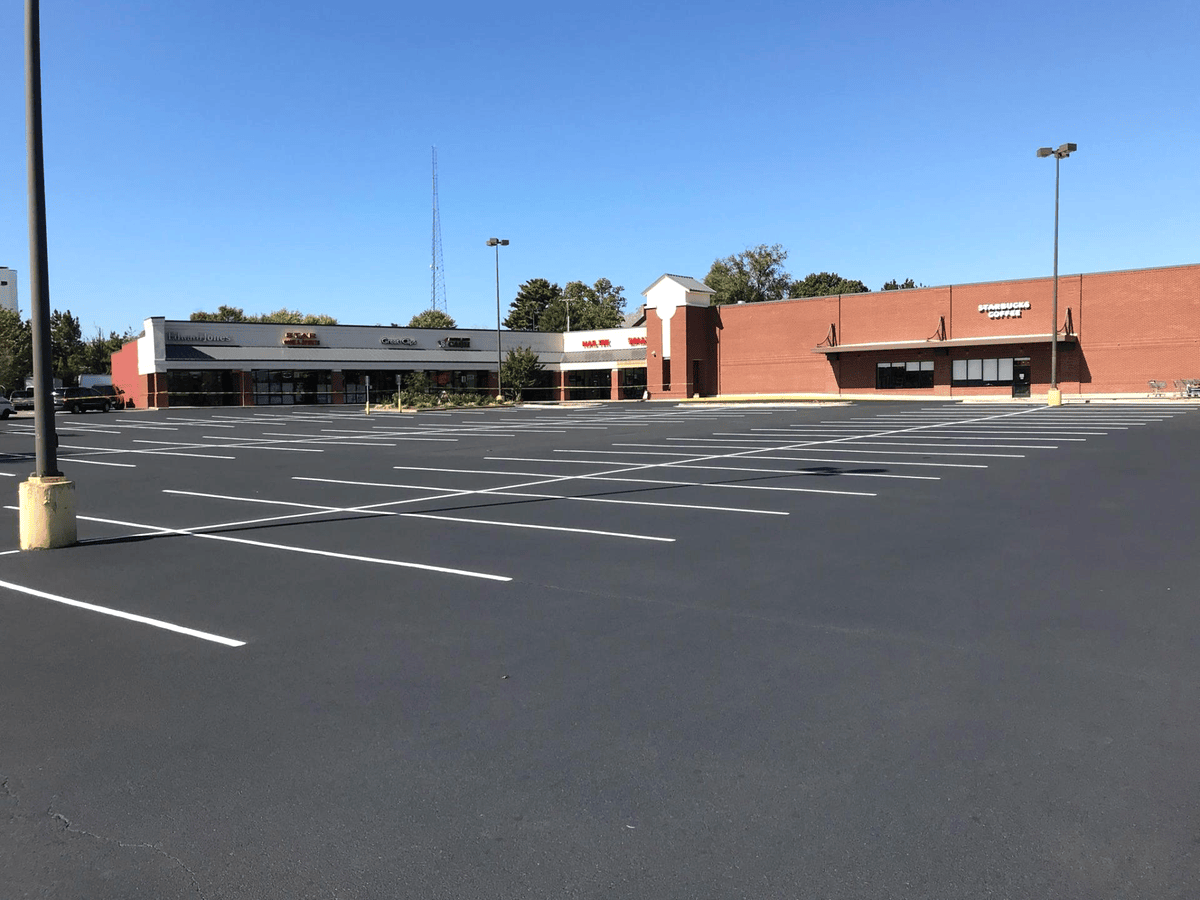
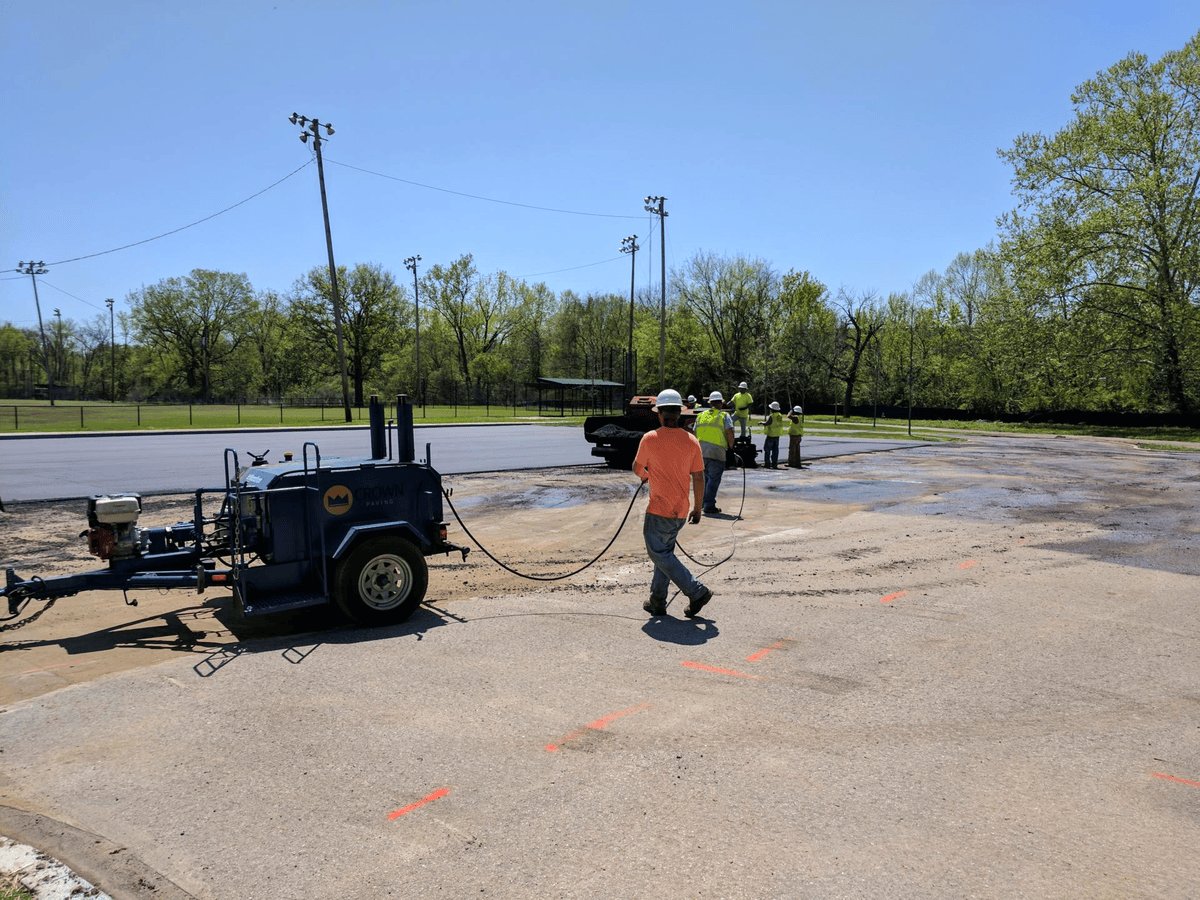
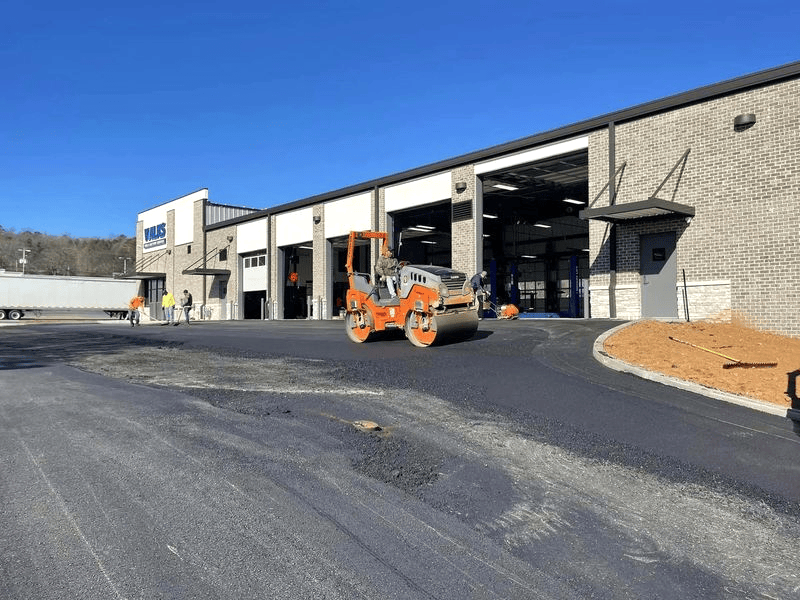
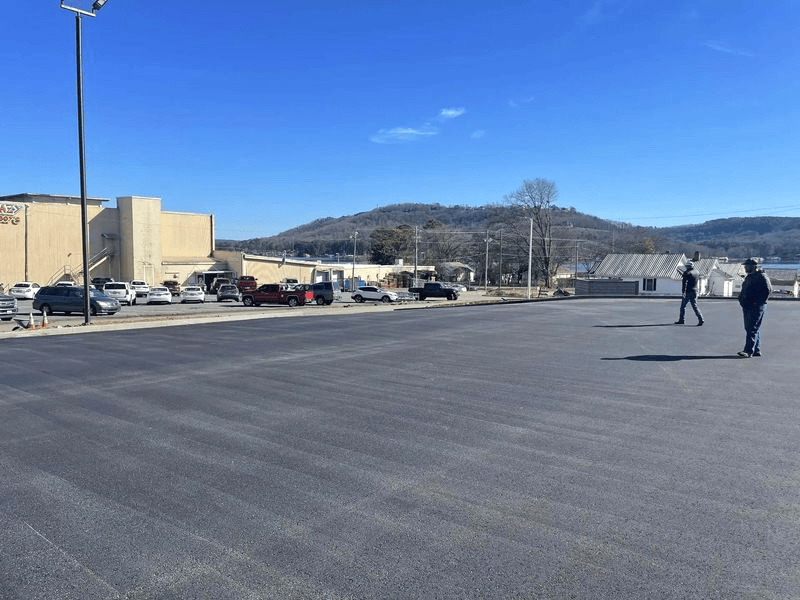
When a pothole opens up in your driveway or a section of pavement starts breaking apart, waiting weeks for a full replacement is not always an option. That is where cold patch asphalt comes in. We use it to fill damaged areas quickly and reliably, without needing to heat the material on-site. It is a practical solution for pavement repair on driveways, parking lots, and roads throughout College Station and the surrounding Brazos Valley area.
How Cold Patch Material Works to Fill Damaged Pavement
Cold patch is a pre-mixed bituminous patch material that stays workable at normal temperatures. It is typically made with a liquid asphalt binder, often an asphalt emulsion or cutback asphalt like MC-30, combined with aggregate. Products like UPM cold patch and EZ Street Asphalt are examples of quality materials we can use depending on the scope of the repair.
We clean out the damaged area first, removing loose debris and standing moisture so the material has a solid surface to bond to. The cold mix asphalt is then placed and compacted using a plate compactor or hand tamper to reach proper density. For most surface repairs, we aim for a compacted depth of at least 2 inches, though deeper base failures may call for a 4-inch compacted depth or more. Proper compaction is what separates a repair that holds from one that crumbles after the next rainstorm or heavy vehicle pass.
College Station sits on expansive clay soils, including Houston Black clay and Vertisol formations, which shift and swell with moisture changes. That movement puts extra stress on pavement, which is why surface prep and compaction matter even more here than in areas with more stable subgrade conditions.
How Cold Patch Differs from Hot Mix Asphalt Repair
Hot mix asphalt, like Type D hot mix or mixes meeting PG 64-22 or PG 70-22 binder grades, is produced at high temperatures and must be laid while still hot. It generally provides a more permanent result and is what we use for larger blacktop repair projects or full pavement sections. Cold patch, on the other hand, does not require a heated plant or specialized transport equipment. It can be used in a wider range of weather conditions, which makes it well-suited for asphalt pothole repair that needs to happen quickly.
Cold patch is not always a permanent fix, but when it is installed correctly with the right material and compaction, it can hold up well under regular traffic. We have over 20 years of combined experience with asphalt and concrete work, including more than 10 years serving College Station specifically. That background helps us assess each repair honestly and choose the right approach for your situation, whether that is a driveway patching job in Pebble Creek or a road patching project near Texas Avenue.
Understanding when cold patch is the right tool for the job is just as important as knowing how to install it correctly.
When Cold Patch Repair Is the Right Choice
Not every damaged pavement needs a full replacement. In many cases, cold patch asphalt is a practical and well-suited solution that gets the job done without the cost or disruption of tearing out and repaving an entire section. After more than 20 years of combined experience in concrete and pavement work, and over 10 years serving College Station, we have a good feel for when cold patch repair makes sense and when something more involved is needed.
Types of Damage That Cold Patch Can Fix
Cold patch works well for a specific range of pavement problems. Pothole repair is one of the most common uses, especially in parking lots and driveways where small to medium-sized holes develop over time. College Station's expansive clay soils, including the Houston Black clay and Vertisol subgrades common across Brazos County, tend to shift with moisture changes, which can open up voids beneath the surface and accelerate pothole formation.
Beyond potholes, asphalt crack repair on isolated areas responds well to cold mix asphalt when the surrounding pavement is still structurally sound. Surface depressions, edge crumbling, and utility cut patches are also situations where a blacktop repair using cold patch material like UPM or EZ Street Asphalt can hold up well, particularly when compacted properly with a plate compactor to reach adequate density.
Situations Where Cold Patch Is a Practical and Cost-Effective Option
Cold patch is especially useful when you need a repair done quickly. It does not require heating equipment or ideal weather windows the way hot mix asphalt does, which makes it a reliable option for temporary road repair or urgent fixes on driveways, access roads, and parking areas near places like Texas A&M University or along busy corridors like Rock Prairie Road and Harvey Road.
If a section of your pavement has localized damage but the base and surrounding area are still in reasonable condition, cold patch is often the most cost-effective path forward. It avoids the expense of full-depth removal while still addressing the problem area. Driveway patching for residential properties in subdivisions like Pebble Creek or Castlegate, or pavement repair for small commercial lots, are both situations where this approach fits well.
Cold patch also makes sense as a planned part of regular asphalt maintenance, helping you stay ahead of deterioration before it spreads to surrounding pavement. Catching a pothole or crack early with a solid patch can prevent a much larger and more costly repair down the road. Once we confirm cold patch is the right call for your situation, the next step is making sure the repair is done in a way that actually lasts.
A few years back, we got a call from a property manager over near the Texas A&M University area. She had a parking lot with a pretty serious pothole that had been causing problems for students and staff for weeks. Simple enough job on the surface, or so we thought.
When we showed up to do the asphalt cold patch repair, we quickly realized the pothole was much deeper than it looked from the photos she had sent us. What appeared to be a six-inch-wide, shallow divot turned out to go down nearly eight inches and had soft, unstable base material underneath. If we had just filled it with cold patch mix without addressing the base, the repair would have failed within a few weeks.
On top of that, a cold front was moving through College Station that day, dropping temperatures faster than expected. Cold patch material does not bond as well in low temperatures, which meant we had to work carefully and methodically to make sure the repair would hold. We have seen other contractors rush through jobs like this, and the results are never good for the property owner.
We took the time to remove the soft base material, compact fresh aggregate underneath, and then apply the cold patch mix in layers, compacting each one before adding the next. We also used a bonding agent around the edges to help the patch tie into the surrounding asphalt.
The repair held up through the rest of that winter and beyond. The property manager actually called us back the following spring to resurface another section of that same lot. Taking the extra time to do the job right, even when conditions were not ideal, is what we believe sets us apart here in College Station.
How We Handle Cold Patch Repair
When you have a pothole, crack, or damaged section of pavement on your driveway or parking lot in College Station, the way the repair gets done matters more than most people realize. We have over 20 years of combined experience with pavement repair and more than 10 years working specifically in this area. We understand how the local soil conditions, including the expansive clay and shrink-swell soils common across Brazos County, can stress pavement from underneath. That affects how we approach every cold patch asphalt job we take on.
Steps We Take to Prepare the Damaged Area Before Patching
Before any pothole filler or cold mix asphalt goes down, we clean out the damaged area completely. Loose debris, standing water, and crumbling asphalt all have to be removed. If those get trapped under the patch, the repair will fail. We cut or saw clean edges around the damaged zone and aim for at least a 12-inch patch overlap past the visibly damaged area when needed. A clean, solid perimeter gives the bituminous patch material a proper surface to bond to. We also check the base beneath. If the aggregate base or subgrade clay has shifted or softened, we address that before we ever start filling the hole.
How We Apply and Compact Cold Patch Material for a Lasting Result
We use quality materials like UPM cold patch from Unique Paving Materials, which holds up well under College Station's heat and humidity. Once the area is prepped, we fill in lifts and compact each layer using a plate compactor or hand tamper depending on the size of the repair. Proper compaction, reaching around 95% compaction, is what separates a repair that holds from one that sinks or crumbles after the next rain. For deeper damage, we build up the repair to a 4-inch compacted depth or more as needed. For driveway patching or road patching work along high-traffic areas near Texas Avenue or Rock Prairie Road, we pay close attention to the finish so the surface drains properly and does not create a new hazard.
Done right, blacktop repair using cold patch can protect the surrounding pavement and buy you meaningful time before a larger issue develops. That brings us to why catching pavement damage early is worth your attention.
Benefits of Fixing Pavement Damage Early
How Timely Repairs Protect the Base and Prevent Bigger Problems
When a crack or pothole shows up in your pavement, the damage you can see is usually just the start. Water is the real problem. Once it gets through a crack or opening, it works its way down into the base material. In College Station, that means it reaches the expansive clay soils that sit under a lot of driveways and parking lots around areas like Pebble Creek and Rock Prairie Road. Those soils shift and swell when wet, which weakens the base and turns a small repair into a much bigger one. Staying on top of asphalt crack repair and pavement repair early is one of the most straightforward ways to protect your investment.
A proper cold patch asphalt repair, placed and compacted to the right depth with a plate compactor, keeps water from getting in and buying you time before larger work becomes necessary. That is true whether you are dealing with a driveway, a parking lot off Harvey Road, or a surface near a high-traffic area around Texas A&M University.
Safety and Cost Savings That Come With Staying Ahead of Pavement Damage
Unrepaired potholes and cracks create real hazards for drivers and pedestrians. Tire damage, trip and fall risks, and vehicle alignment issues are all common results of pavement that has been left too long without attention. A timely blacktop repair is far less expensive than dealing with those outcomes or waiting until the base fails completely and requires full replacement.
With over 20 years of combined experience in asphalt maintenance and more than a decade working right here in College Station, we know what local conditions do to pavement over time. Addressing damage early with quality cold mix asphalt keeps your property looking clean and cuts down on the total cost of upkeep over the years.
Once a repair is done, it helps to know what the finished patch will look like and how to take care of it going forward.
What to Expect After Your Cold Patch Repair
Once we finish your cold patch asphalt repair, it helps to know what comes next. Cold mix asphalt is designed to be ready for traffic fairly quickly, but the repair still needs time and proper care to perform well. Here is what you can realistically expect and how you can help the repair hold up longer.
How Long a Cold Patch Repair Typically Holds Up
A professionally done cold patch repair can last anywhere from several months to a few years, depending on traffic load, weather, and the condition of the surrounding pavement. In College Station, the combination of heat, humidity, and expansive clay soils like the Houston Black clay common across Brazos County can put extra stress on any pavement repair. That is why proper surface preparation and compaction using a plate compactor or vibratory roller matters so much. When we prep the area correctly, apply a quality product like UPM cold patch, and compact it to the right depth, the repair holds up far better than a rushed or DIY fix.
Cold patch is often used as a temporary road repair solution, but a well-executed repair using good materials and the right technique can serve you for a long time before a permanent fix is needed. Driveways in subdivisions like Pebble Creek or Castlegate and parking lots near Texas Avenue or Rock Prairie Road all see different traffic patterns, and that affects how long any patch will last.
Simple Steps You Can Take to Extend the Life of the Repair
There are a few things you can do to get more life out of your pavement repair. First, try to keep heavy vehicles off the patched area for at least 24 to 48 hours after we finish. Second, keep an eye on the edges of the repair. If you notice cracking or separation starting along the border, contacting us sooner rather than later can prevent water from getting underneath and causing bigger problems. Water intrusion is one of the main reasons asphalt crack repair and pothole issues spread, especially in areas with shrink-swell soils. Third, basic asphalt maintenance like keeping the surface clean and scheduling a sealcoat when the time is right can slow down deterioration across the whole paved area, not just the patched spot.
Taking these small steps after a repair can make a real difference in how long your pavement stays in good shape. When the time comes and you want a contractor who knows this area and does the job right the first time, we are ready to talk.
We Know College Station Pavement Inside and Out
We are a local asphalt and paving contractor serving College Station, TX and the surrounding Brazos Valley area. Our team has over 20 years of combined experience in asphalt and concrete work, and we have been working right here in College Station for more than 10 years. That means we know the local soil conditions, the Texas heat, the heavy summer rain, and how all of it affects pavement over time.
When asphalt breaks down here, it usually comes down to a few common causes. The intense heat softens and oxidizes the surface. Heavy rain pushes water into small cracks and weakens the base underneath. And regular traffic, whether from cars in a driveway or trucks in a parking lot, adds up fast. We have seen these patterns play out on driveways, parking lots, and commercial properties all across College Station, and we know what it takes to fix them the right way.
Whether you need a new driveway, a repaired parking lot, sealcoating to protect your surface, or crack filling before small problems grow into bigger ones, we handle it all. We work with homeowners, property managers, and business owners, and we treat every job the same way: with honest assessments, proper materials, and work that is built to hold up in this climate.
When you reach out to us, you are not getting a call center or a company from out of town. You are getting a local crew that has spent years working on properties just like yours, right here in College Station.
Why Work With Us for Cold Patch Repair in College Station
We have been working in College Station for over 10 years, and our team brings more than 20 years of combined hands-on experience with asphalt and pavement repair. That kind of background matters when you need cold patch asphalt work done right the first time. We are familiar with local conditions, including the expansive clay soils common across Brazos County that shift and move with moisture changes. That soil movement puts real stress on pavement, which is part of why potholes and cracks show up so often in driveways and parking lots around areas like Pebble Creek, Rock Prairie, and along busy roads such as Texas Avenue and Rock Prairie Road.
Our Local Experience and What It Means for Your Repair
College Station summers are hard on pavement. The heat and humidity here affect how cold mix asphalt behaves during placement and curing. As a TxDOT Pre-Qualified Contractor and Brazos County Licensed Contractor, we follow proven repair standards and use quality materials suited to this climate. We know when conditions are right for a repair to hold and when extra steps are needed to get a result that lasts. That local knowledge is not something you get from a contractor who just passes through.
How We Approach Each Job to Get You a Reliable Result
Before we place any patching compound or pothole filler, we prepare the surface correctly. That means clearing out loose debris, failed material, and moisture so the patch bonds properly. We compact the repair using a plate compactor or jumping jack compactor to reach proper density, which helps prevent the patch from sinking or reopening after rain or traffic. For deeper damage, we assess whether the base needs attention before surface repair begins. This approach to pavement repair reduces the chance you will need to call someone back out in a few weeks.
Whether the job is a small driveway patch or a larger parking lot repair, we treat each one with the same level of care. Good surface repair work is really about doing the basics well, and that is where our experience shows. As you consider your options, the following section covers what you can expect when you are ready to move forward.
Ready to Fix That Pothole or Crack? Let's Talk.
If you have been dealing with a pothole, cracked pavement, or a worn section of driveway or parking lot, cold patch asphalt repair is often the fastest and most cost-effective way to get it handled. We have spent over 10 years working in College Station, and our crew brings more than 20 years of combined pavement experience to every job we take on. Whether your property is near Texas A&M University, out along Rock Prairie Road, or anywhere else in the area, we are ready to help.
Here is a quick reminder of what you get when you choose us for cold patch asphalt and pavement repair:
- Proper surface prep so the patch bonds and holds up under traffic and weather
- Correct compaction using the right equipment, including a plate compactor or vibratory roller
- Quality materials like UPM cold patch suited for College Station's heat and humidity
- Repairs that seal out water and help stop damage from spreading
- Faster turnaround than full pavement repair or replacement
- Safer surfaces for drivers and pedestrians after the work is done
- Better curb appeal and property value for your home or business
- Honest guidance on whether blacktop repair or a more permanent fix is the right call
- No cutting corners, which means fewer repeat costs down the road
- A team that understands local soil conditions, including the expansive clay and shrink-swell soil common throughout Brazos County
Reach Out to Us for Cold Patch Repair in College Station, TX
You do not have to keep driving around a pothole or watching a crack get worse. We make it simple to get started. Give us a call or fill out the free quote form below, and we will get back to you quickly to talk through what your pavement needs and what it will take to fix it right.
College Station Paving Pros
1701 Southwest Pky
College Station, TX 77840
Business Hours
| Mon | 8:00 AM – 8:00 PM |
| Tue | 8:00 AM – 8:00 PM |
| Wed | 8:00 AM – 8:00 PM |
| Thu | 8:00 AM – 8:00 PM |
| Fri | 8:00 AM – 8:00 PM |
| Sat | 9:00 AM – 7:00 PM |